

Carbon Title Registry
A register of title to record ownership, transfers, security interests, and retirements across multiple crediting programmes.
The record and its capabilities
Title
Legal title to each credit, identified by serial range and reconciled to the issuing programme.
Transfers
Every movement of credits, whether by manual instruction or automatic delivery at issuance under a pre-agreed joint instruction.
Retirements
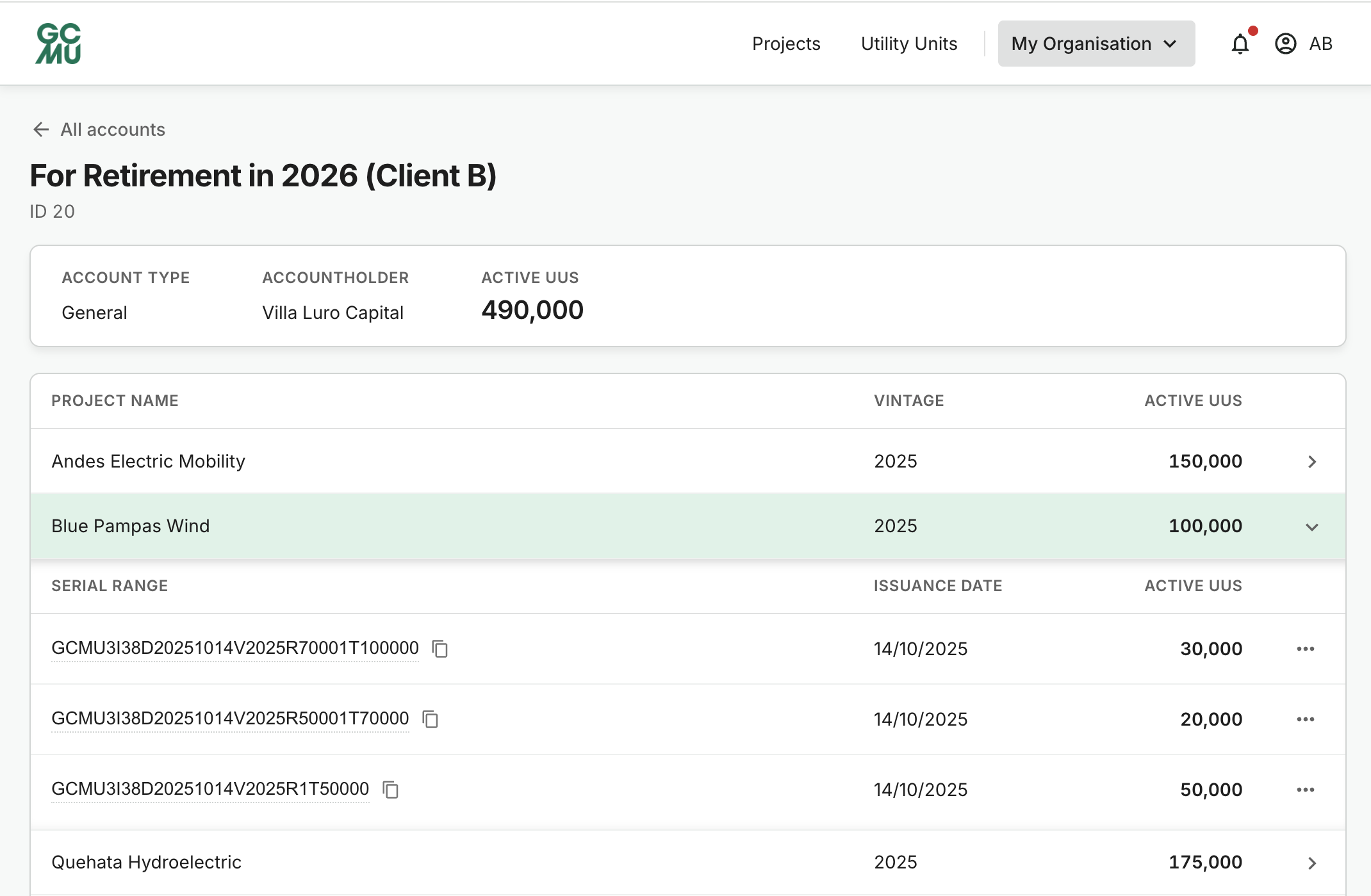
Every retirement, recorded against the units retired and in the name of the claimant, so a claim can be traced to the credits that support it.
Flexible accounts
Hold credits from different programmes in one account structure within GCMU’s register, with sub-accounts for clients, funds or projects.
API-first
Every registry function is available through a documented API. Data is structured to the CDOP for direct integration with other systems.
Charges
Security interests over credits and the accounts in which they are held, recorded on the register itself, not just in the security agreement.
AI-enabled
Assisted project submission and review, an assistant for any task in the registry, and an MCP server so participants can use their own AI tools.
Audit-ready
A complete audit log of every action on the register, with holdings, transfers and retirements reportable at any time.
Access and integration
Participants reach the register in three ways. Each route records to the same register of title and passes through the same approvals and audit log.
GCMU Platform
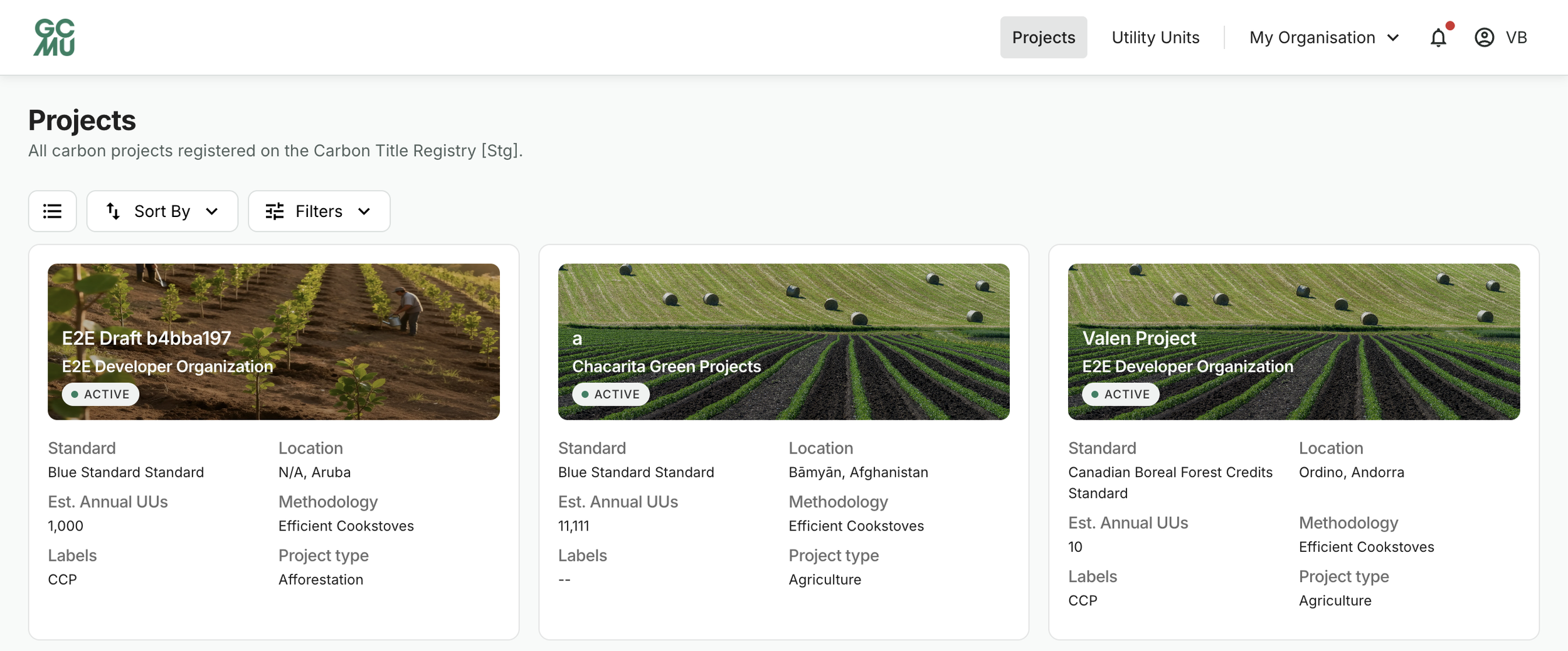
Hold, transfer and retire credits directly in GCMU’s register through the web application, with sub-accounts for clients, funds or projects.
API
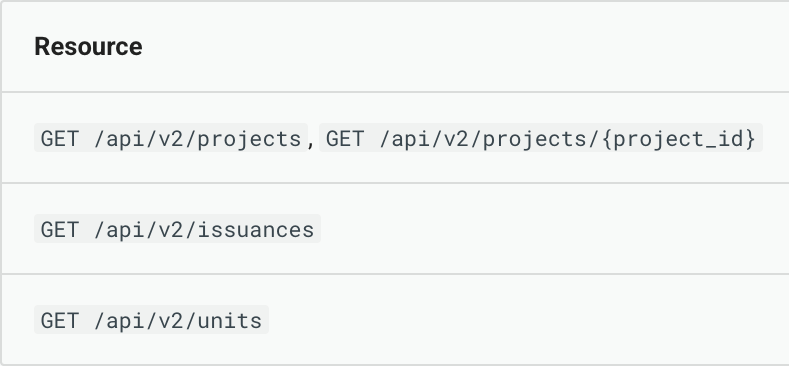
Connect participants’ own systems to every registry function through a documented API. Data is structured to the Carbon Data Open Protocol (CDOP).
Plug-in
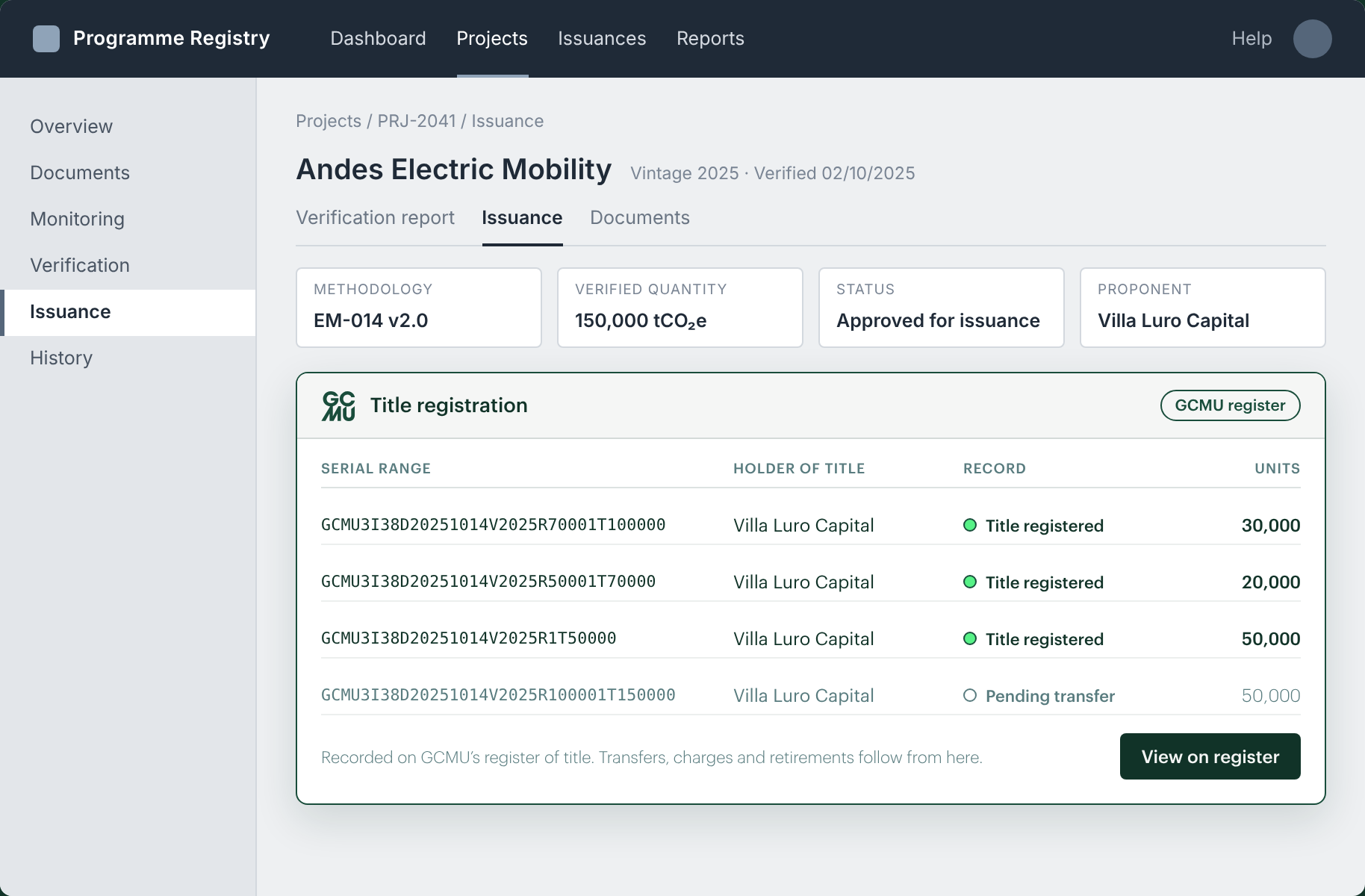
Offer title registration on GCMU’s register from within an existing registry interface, so project developers do not need a second system.
Security and assurance
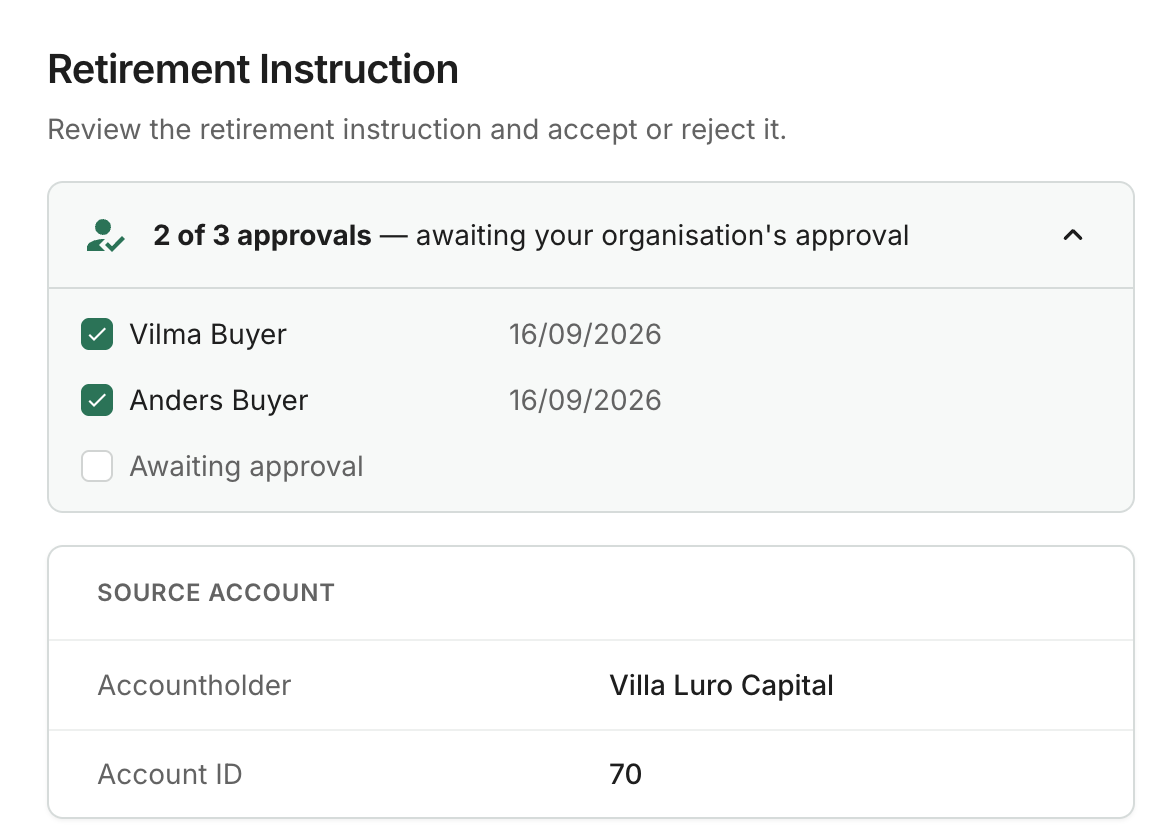
Role-based access and approvals
Every action, whether by user, API or AI assistant, routes through configurable approval chains, with permissions set by role.
SOC 2 Type II attestation
Independently tested against the security standards institutional counterparties expect.
Multi-region infrastructure
Hosted across multiple zones and regions with data centre redundancy.
Annual penetration testing
Tested annually by an external firm, with findings remediated and verified.
Continuous improvement
Designed for today’s threat environment, regular updates to maintain security and resilience standards.
Encryption and MFA
Data encrypted in transit and at rest, with access enforced through multi-factor authentication.
Take a guided tour of the registry.
Try initiating a transfer or a retirement, check your transaction history and audit log, or explore the creation of a security interest.